Kota Kinabalu, Sabah, Malaysia
Installation Guide

Complete Guide to Installing Plant Support Clips

Learn the proper techniques for installing modular plant-support clips to ensure maximum effectiveness and plant health. This comprehensive guide covers everything from preparation to final adjustments.

Read More →

Getting Started

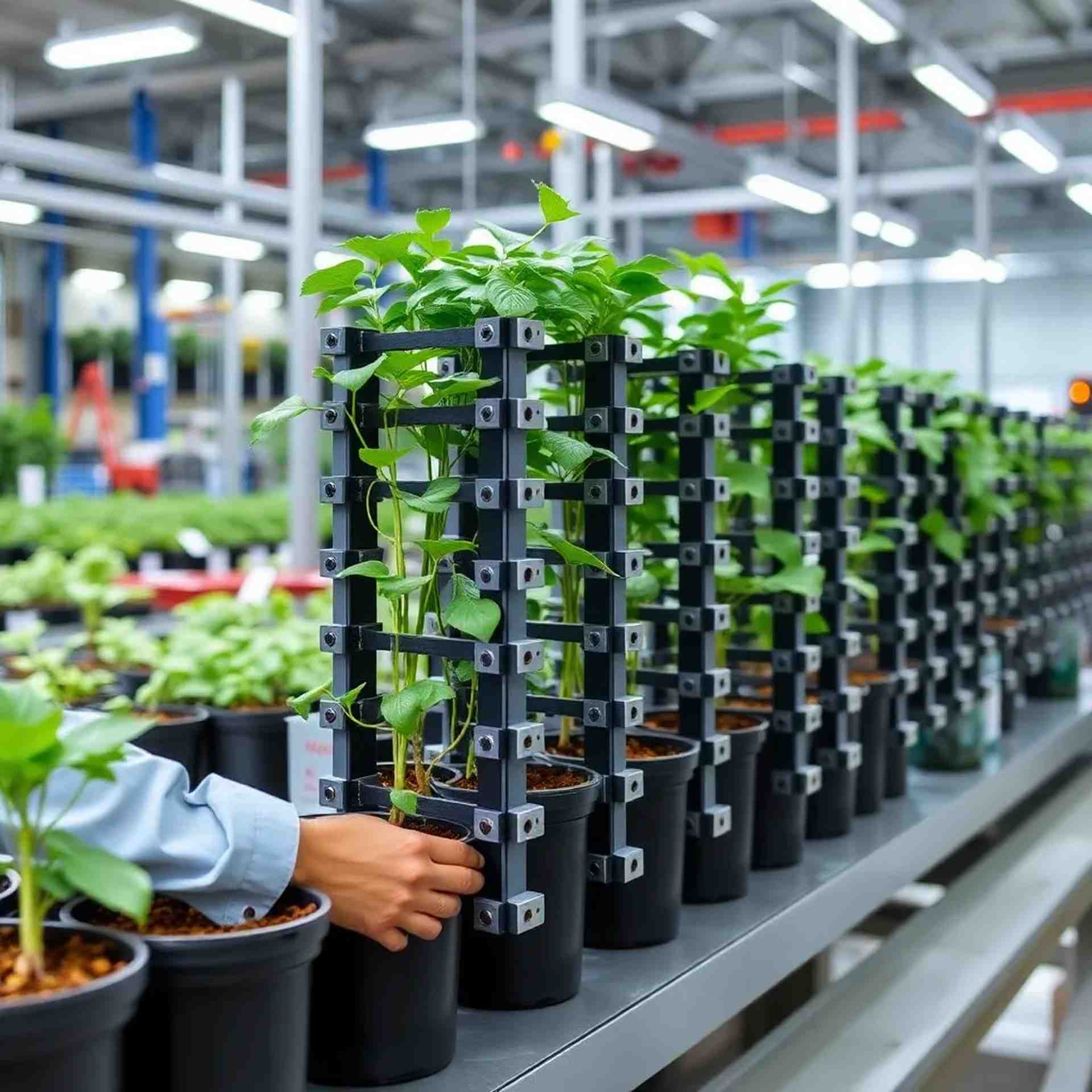
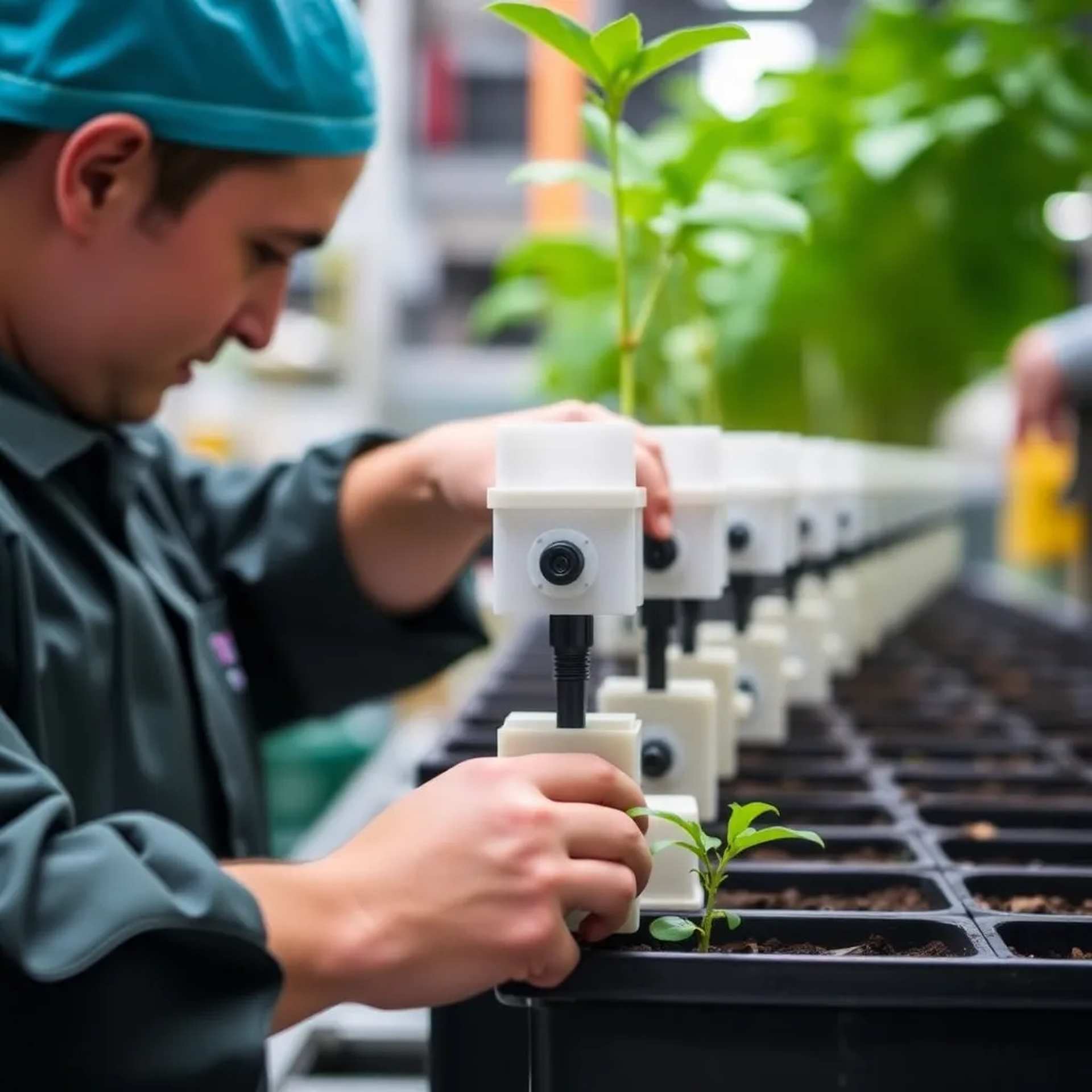
Before installing your GreenClip support clips, ensure you have all necessary tools and materials ready. Proper preparation is key to efficient installation.

Step-by-Step Installation Process

  • Position the clip at the appropriate height on the support wire or stake
  • Gently guide the plant stem through the clip opening
  • Ensure the clip is snug but not constricting growth
  • Check that the plant remains vertical and well-supported
  • Monitor regularly and adjust as the plant grows

Common Mistakes to Avoid

Many growers make the mistake of installing clips too tightly, which can damage stems. Always leave room for natural stem expansion as the plant matures. Additionally, avoid placing clips too close together, which can restrict airflow and increase disease risk.

Seasonal Considerations

During hot weather, plants may require more frequent adjustments as they grow faster. In cooler months, check clips for any weather-related wear and replace as needed to maintain optimal support.
Growing Tips

Maximizing Tomato Yield with Proper Support Systems

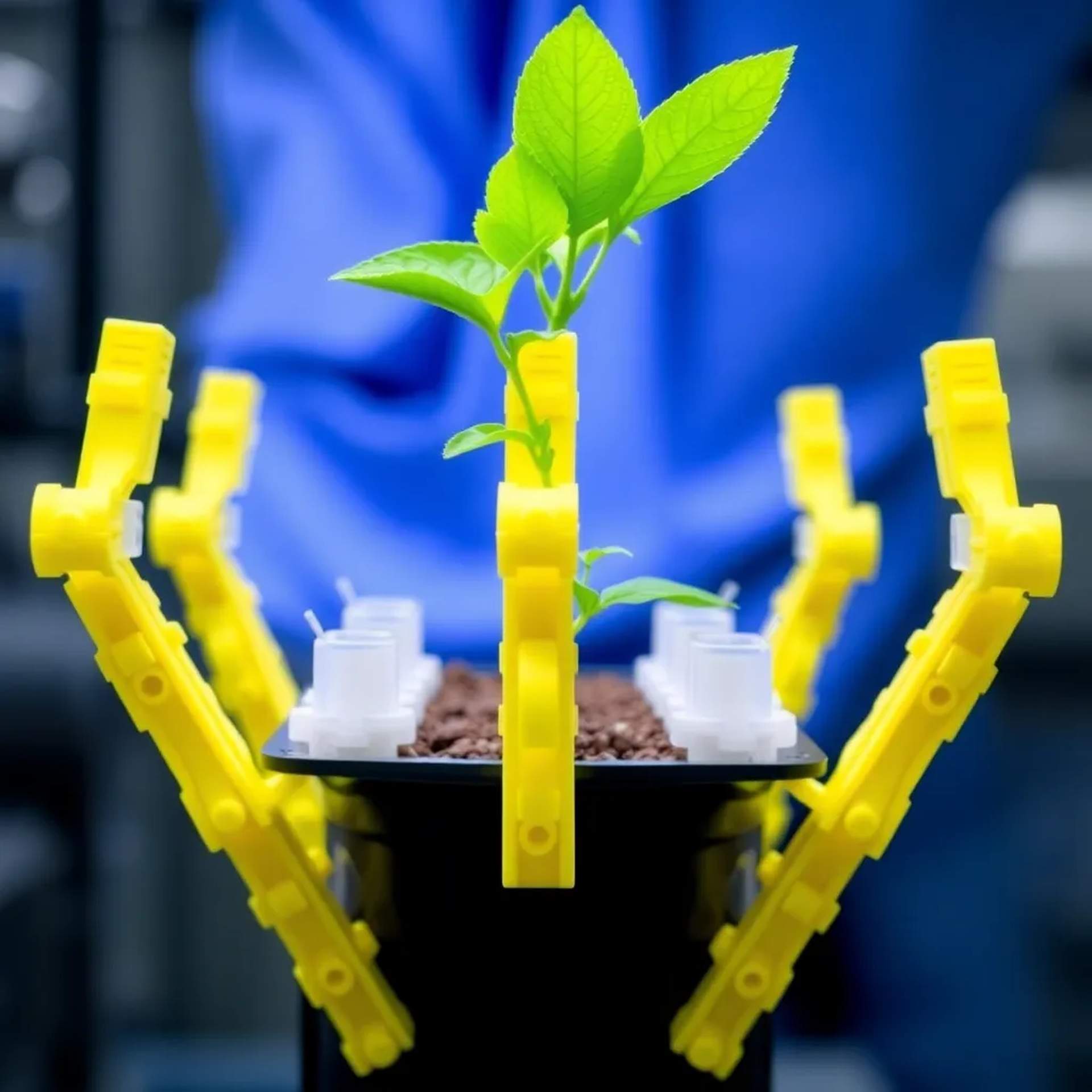
Discover how strategic use of plant-support clips can significantly increase your tomato harvest. Learn timing, placement, and variety-specific techniques.

Read More →

Understanding Tomato Growth Patterns

Tomatoes are indeterminate plants that continue growing throughout the season. Proper support prevents stem breakage and ensures fruits develop without ground contact, reducing disease risk.

Optimal Clip Placement

Begin supporting tomato plants when they reach 12-15 inches in height. Place clips every 8-10 inches along the main stem, adjusting as needed for side branches bearing fruit.

Variety-Specific Recommendations

  • Cherry Tomatoes: Use standard clips every 6-8 inches
  • Beefsteak Varieties: Heavy-duty clips recommended for fruit-bearing branches
  • Roma Tomatoes: Standard clips with closer spacing for multiple fruit clusters

Pruning and Support Coordination

Combine proper pruning techniques with strategic clip placement. Remove lower leaves and suckers while ensuring remaining growth is well-supported. This improves air circulation and directs energy to fruit production.

Maintenance Guide

Seasonal Maintenance for Long-Lasting Clips

Proper maintenance extends the life of your plant-support clips and ensures optimal performance season after season. Follow these expert recommendations.

Read More →

Post-Harvest Cleaning

After each growing season, remove all clips and clean them thoroughly. Use mild soap and water to remove soil, plant residue, and any fungal growth. Allow clips to dry completely before storage.

Inspection Protocol

Examine each clip for signs of wear, including cracks, discoloration, or loss of elasticity. Discard damaged clips to prevent crop damage in the next season.

Proper Storage

  • Store in a cool, dry location away from direct sunlight
  • Keep clips organized by size and type
  • Use ventilated containers to prevent moisture buildup
  • Avoid stacking heavy items on top of stored clips

Mid-Season Checks

During the growing season, inspect clips weekly for proper fit and function. Replace any that show signs of stress or damage immediately to prevent plant injury.

Greenhouse Setup

Setting Up Commercial Greenhouse Support Systems

A comprehensive guide for commercial growers implementing large-scale plant support systems using modular clips. Includes layout planning and efficiency tips.

Read More →

Planning Your Layout

Before installation, create a detailed plan considering row spacing, support wire height, and plant density. This ensures efficient use of clips and optimal plant growth conditions.

Wire System Setup

Install horizontal support wires at appropriate heights for your crop type. For tomatoes, primary wires should be 6-7 feet high, with secondary wires as needed for additional support.

Calculating Clip Requirements

Estimate 8-12 clips per plant for indeterminate varieties. Order 10-15% extra to account for replacements and adjustments throughout the season.

Labor Efficiency

  • Train staff on proper installation techniques
  • Establish regular inspection schedules
  • Keep extra clips accessible throughout the greenhouse
  • Document which sections need attention during daily rounds
Cucumber Growing

Vertical Cucumber Growing with Support Clips

Optimize your cucumber production by growing vertically. Learn how proper support improves yields, reduces disease, and simplifies harvesting.

Read More →

Benefits of Vertical Growing

Vertical cucumber cultivation increases yields per square meter, improves air circulation, and makes harvesting easier. Support clips are essential for managing the vigorous vine growth.

Training Young Plants

Begin training cucumbers when they reach 12 inches tall. Gently guide the main stem upward, securing with clips every 6-8 inches. Remove lower leaves to improve airflow.

Managing Side Shoots

Cucumber plants produce numerous side shoots. In vertical systems, prune lower laterals and support upper ones with additional clips as they develop fruit.

Harvest Optimization

  • Vertical growing produces straighter cucumbers
  • Easier to spot ripe fruit during harvest rounds
  • Reduced ground contact minimizes disease and pest issues
  • Extended harvest period with proper support
Quality Control

Quality Control: Ensuring Clip Performance

Implement a quality control system to monitor clip performance and identify potential issues before they affect your crops. Essential for commercial operations.

Read More →

Establishing Inspection Routines

Create a systematic inspection schedule that covers all growing areas. Daily visual checks combined with weekly detailed inspections ensure problems are caught early.

Key Performance Indicators

  • Clip failure rate per 1000 units installed
  • Average lifespan before replacement needed
  • Plant damage incidents related to support systems
  • Time required for installation and adjustments

Documentation Best Practices

Maintain records of clip purchases, installation dates, and replacement schedules. This data helps optimize ordering and identifies patterns that may indicate quality issues or improper use.

Staff Training

Regular training ensures all team members understand proper clip installation and can identify potential problems. Invest in initial training and periodic refresher sessions.